
New Berlin Directory Collections
The known historical shelf is a mix, not a seamless annual series. The exact item tied to New Berlin is the 1873 county atlas, plat map, and directory. Newspapers supply dated mentions across the years surrounding the city’s formation. The New Berlin Public Library adds subscription databases and the Bridges catalog, while the Historical Society adds local interpretation. Each source answers a different question.
| Collection | Years | Where Held | Access |
|---|---|---|---|
| Atlas, plat map, and New Berlin directory | 1873 | Wisconsin Historical Society | Free digital record |
| New Berlin Citizen | December 10, 1958 through December 2004, plus later holdings | WHS and library routes | Microfilm, database, or library access varies |
| New Berlin Post and New Berlin-Muskego Post | Post run includes August 18, 1975 through January 1, 1981 | WHS holdings | Check title and date |
| Genealogy and local-history databases | Varies; HeritageHub reaches 1704 to present | New Berlin Public Library | Some require a card or library visit |
No official source reviewed confirmed a complete later Polk, telephone, householder, or reverse-directory run. Search the Bridges and Wisconsin Historical Society catalogs, then ask library staff about items not fully cataloged. UWM Golda Meir Library is another lead. Do not assign years or publishers until a catalog record or title page confirms them.
The WHS record for the 1873 atlas shows the key digitized item.
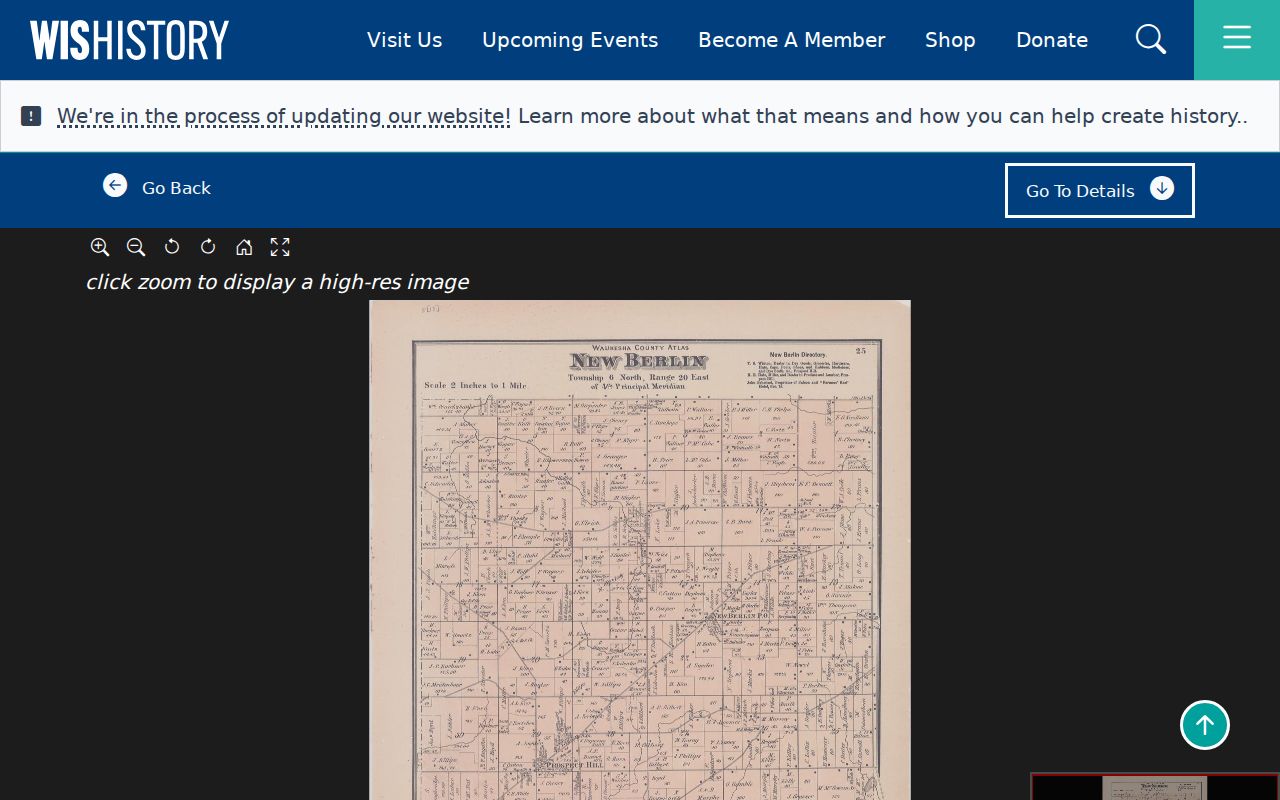
Its description establishes the date, creator Harrison & Warner, and printer H.J. Toudy, details worth logging with each citation.
New Berlin Library Directory Search
The New Berlin Public Library is the practical first stop for a city directory project. It is at 15105 Library Lane and can be reached at 262-785-4980. Hours observed were 9 a.m. to 9 p.m. Monday through Thursday, 9 a.m. to 5 p.m. Friday and Saturday, and closed Sunday. Check current hours before a visit.
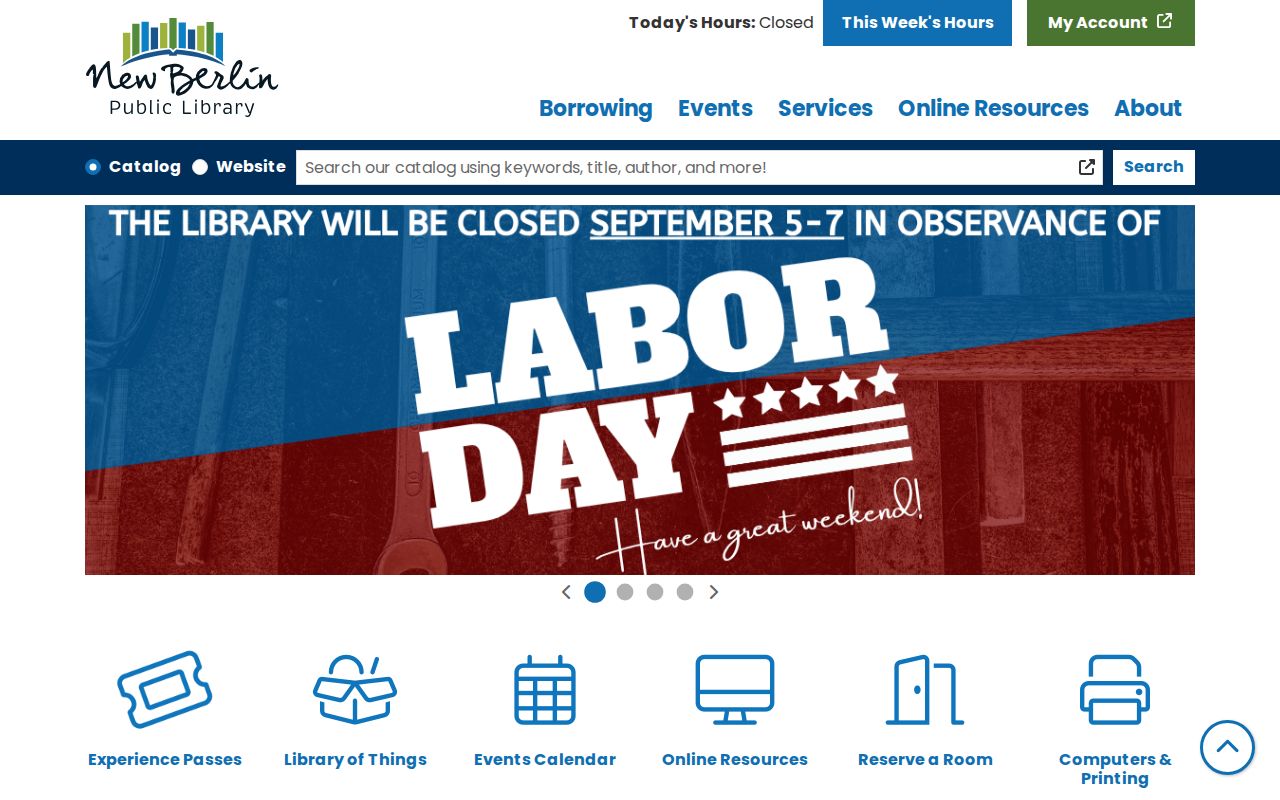
The library landing page is the place to verify notices before asking staff about local files, microfilm, or uncataloged material.
Use the Bridges Library System catalog with several searches: a surname, “New Berlin,” a newspaper title, a street, and a subject such as genealogy. Filters include date, format, author or people, subject, owning library, and availability. A card and PIN permit account access, but the public search still locates titles.
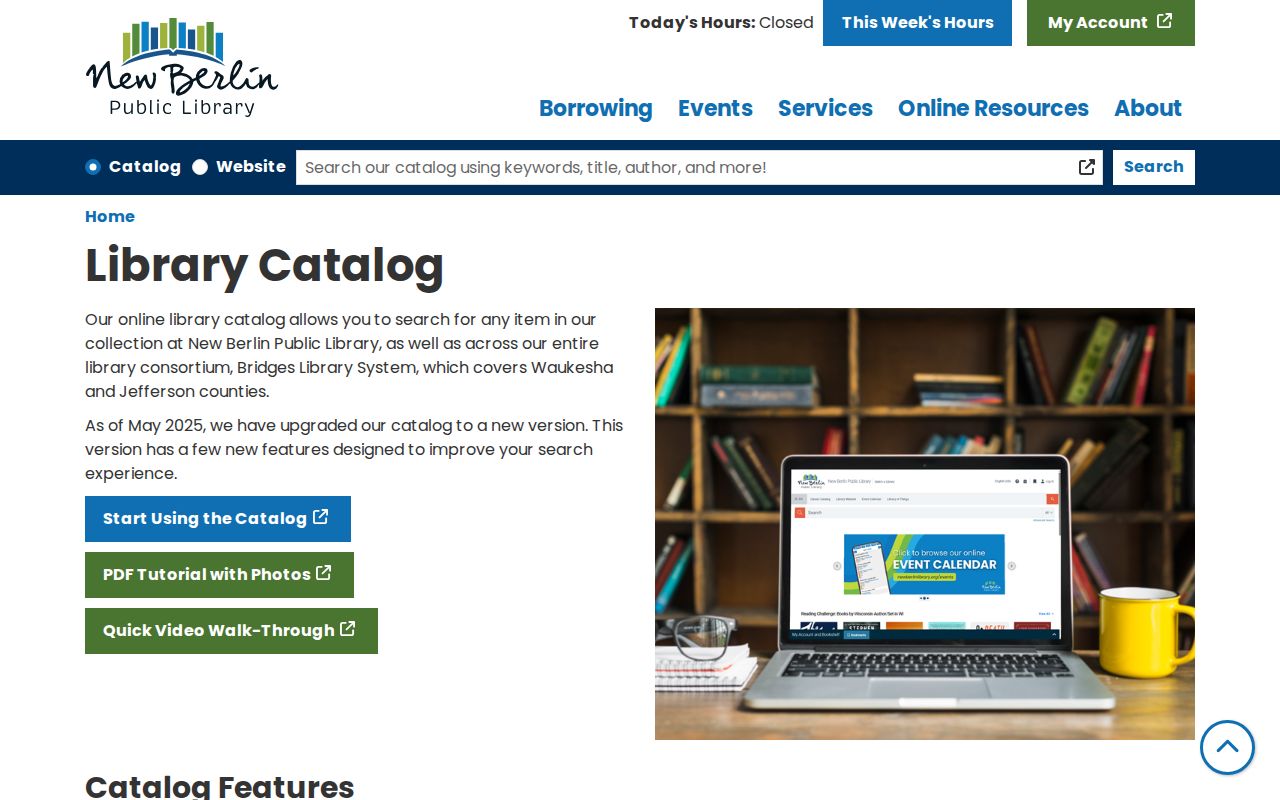
The catalog is a discovery layer. A missing online copy does not show that a physical or licensed item is absent.
New Berlin Digital History Tools
The library’s database list fills gaps around a city directory entry. AncestryLibrary and the Archive of Wisconsin Newspapers are for in-library use. History Reference Center supplies books, documents, biographies, photographs, and maps. HeritageQuest adds census records, genealogies, local histories, and serials. BadgerLink opens more statewide material.
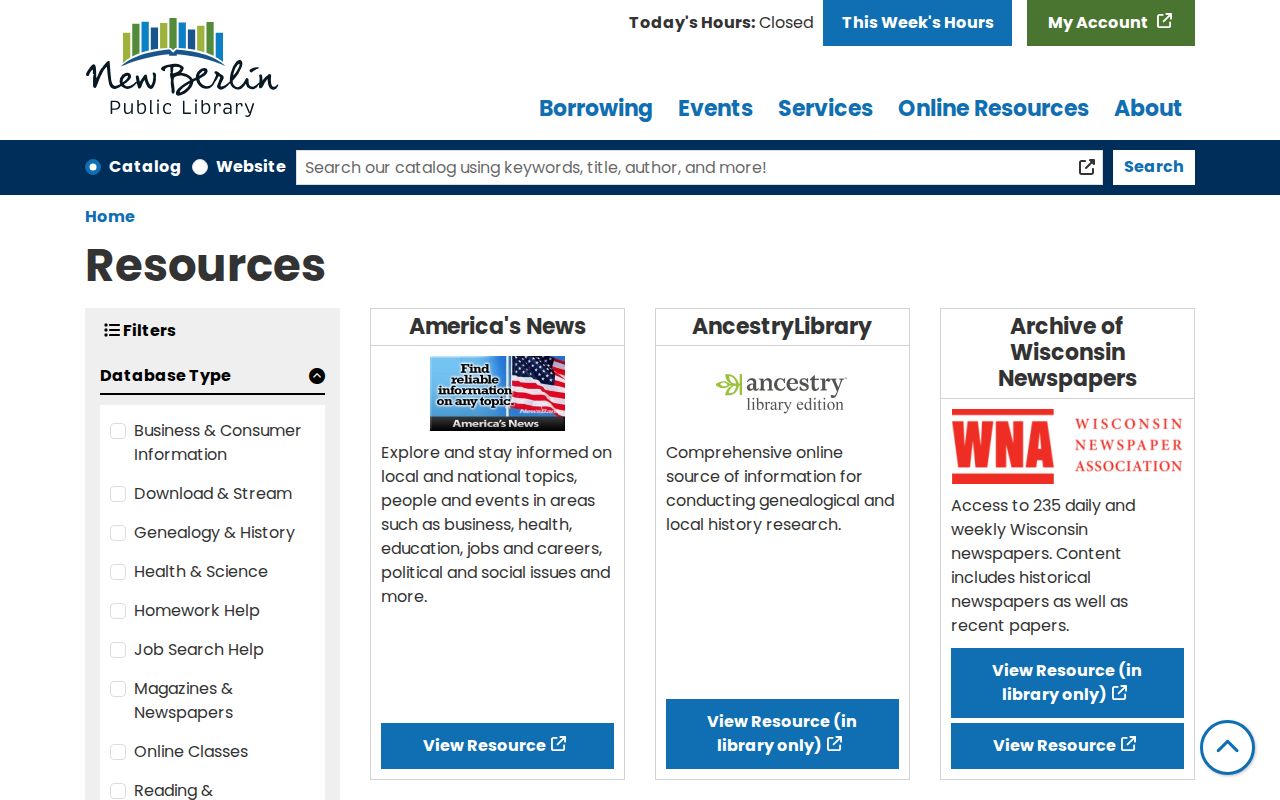
The screen makes access limits visible, so note whether a find came from open access, a login, or an in-building session.
A second library resource listing includes HeritageHub, with obituaries and death notices from 1704 to the present, and a Milwaukee Journal Sentinel collection listed from 1990 onward. These companion sources do not replace directories. An obituary may explain why a name vanishes. A census can identify a household between years. A paper may tie a person to a farm, club, or civic event.
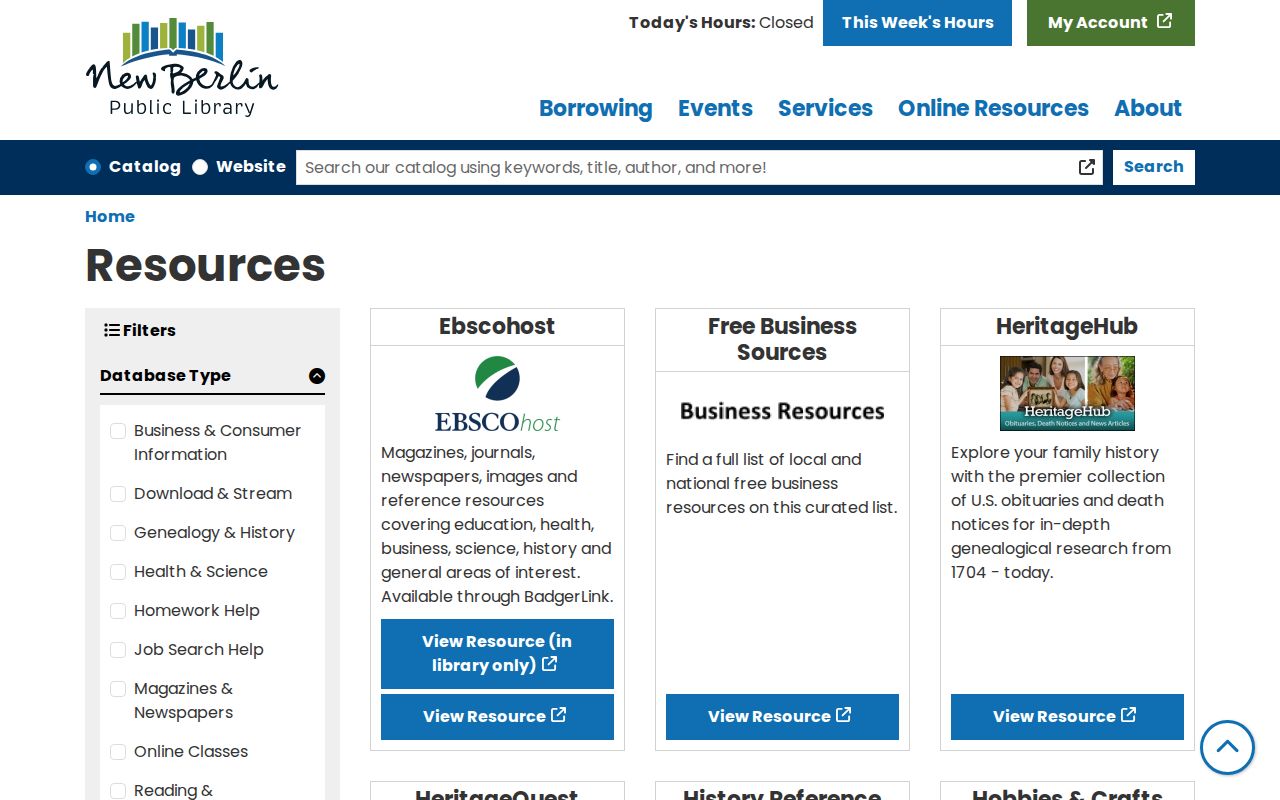
Together, the databases add dates and context that a brief printed listing may omit.
Note: Save the title, issue date, page, database name, and access date for each New Berlin historical match.
Reading New Berlin Directory Entries
First identify the source type. The 1873 work combines atlas, plat, and directory functions, so it need not resemble a later urban directory. Read the title page and key before interpreting marks. A listing is evidence of how its publisher recorded a person or place then. It is not proof of continuous residence.
| Name | A household member, landholder, business, or indexed party, based on the source. |
|---|---|
| Occupation or role | A trade, business, civic role, or other label when included. |
| Address or place | A street, rural place, postal label, or map location under that edition’s rules. |
| Household notation | A spouse, widow, boarder, or householder mark only when the key defines it. |
| Map reference | A plat, owner label, legal area, or landmark useful for land research. |
Copy spelling exactly before modernizing it. New Berlin was Mentor before January 13, 1840. Old place terms such as Prospect Hill and New Berlin Center can produce better newspaper and map results. A postal or business label may look like a home entry, so view the full page.
- Criss-cross directory
- A volume arranged by street or phone number rather than surname alone.
- Householder index
- A list centered on the named head or principal household member.
- Abbreviation key
- The publisher’s legend for shortened words and marks. Save it before interpreting entries.
- Plat
- A map showing surveyed parcels, lots, roads, or owner labels for a stated date.
New Berlin Historical Society Context
The New Berlin Historical Society maintains a museum, programs, house tours, newsletters, artifacts, and local accounts. Its work can explain a name or place in a city directory, yet an interpretive article is different from a deed, census sheet, minute, or vital certificate. Use each at its proper weight.
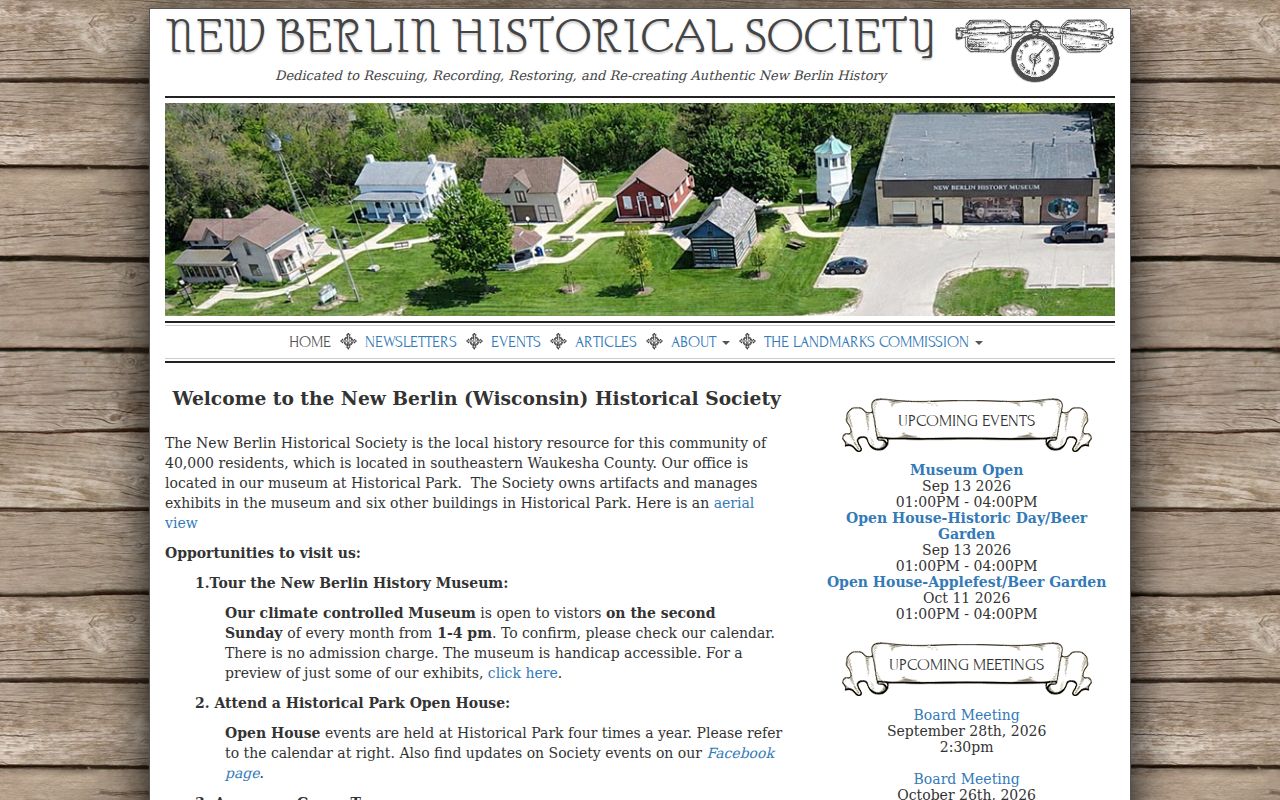
The site provides family memories and road history that can guide the next archive search.
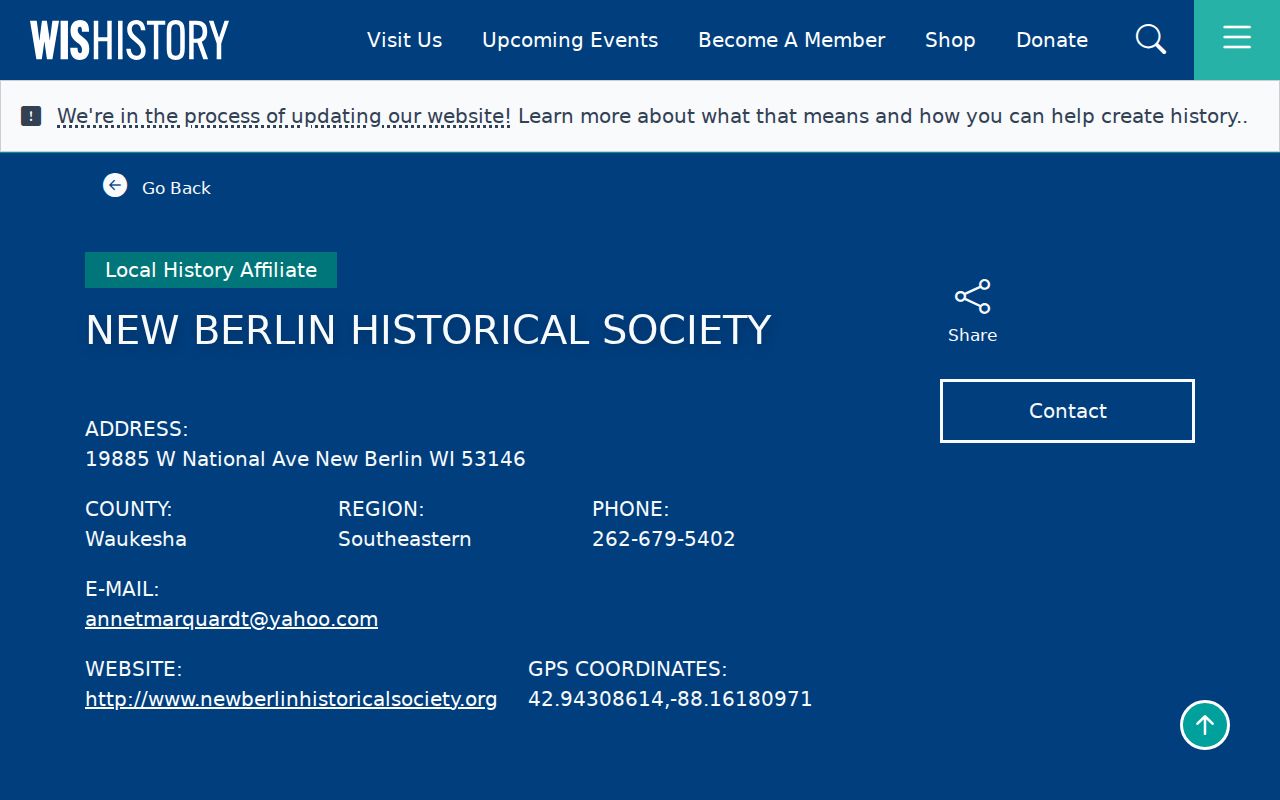
The WHS affiliate record confirms the organization as an institutional path.
Ask a narrow question. Give a surname, place, date range, and source already checked. This helps staff identify a newsletter, caption, oral history, or museum file.
New Berlin Directory Time Markers
Local history gives directory results a timeline. Settlement began in 1836. Mentor became New Berlin in 1840. The 1873 atlas recorded a rural landscape rooted in farms and local centers. The New Berlin Citizen began in 1958, close to the shift that produced the modern city. These markers help choose the right name, source, and custodian.
| Date | New Berlin research marker |
|---|---|
| 1836 | Settlement associated with Sidney Evans and P.G. Harrington and wife. |
| 1840 | Mentor changed to New Berlin on January 13. |
| 1873 | Harrison & Warner atlas, plat map, and directory. |
| 1958 | New Berlin Citizen run begins December 10. |
| 1959-1960 | City history says establishment in 1959; library history says city status in 1960. |
Preserve that last difference instead of smoothing it away. The needed date may depend on whether the question concerns legal establishment, incorporation, or a library account.
New Berlin Library Became a Hub
A study committee started in 1963, a Library Board existed by June 1965, and the first library opened June 30, 1969 at 14750 W Cleveland Avenue with 2,400 volumes. The collection reached 14,000 by 1970. New Berlin joined the Waukesha Federated System in 1981, and the Library Lane building opened February 13, 2005.
The library history page documents those shifts.
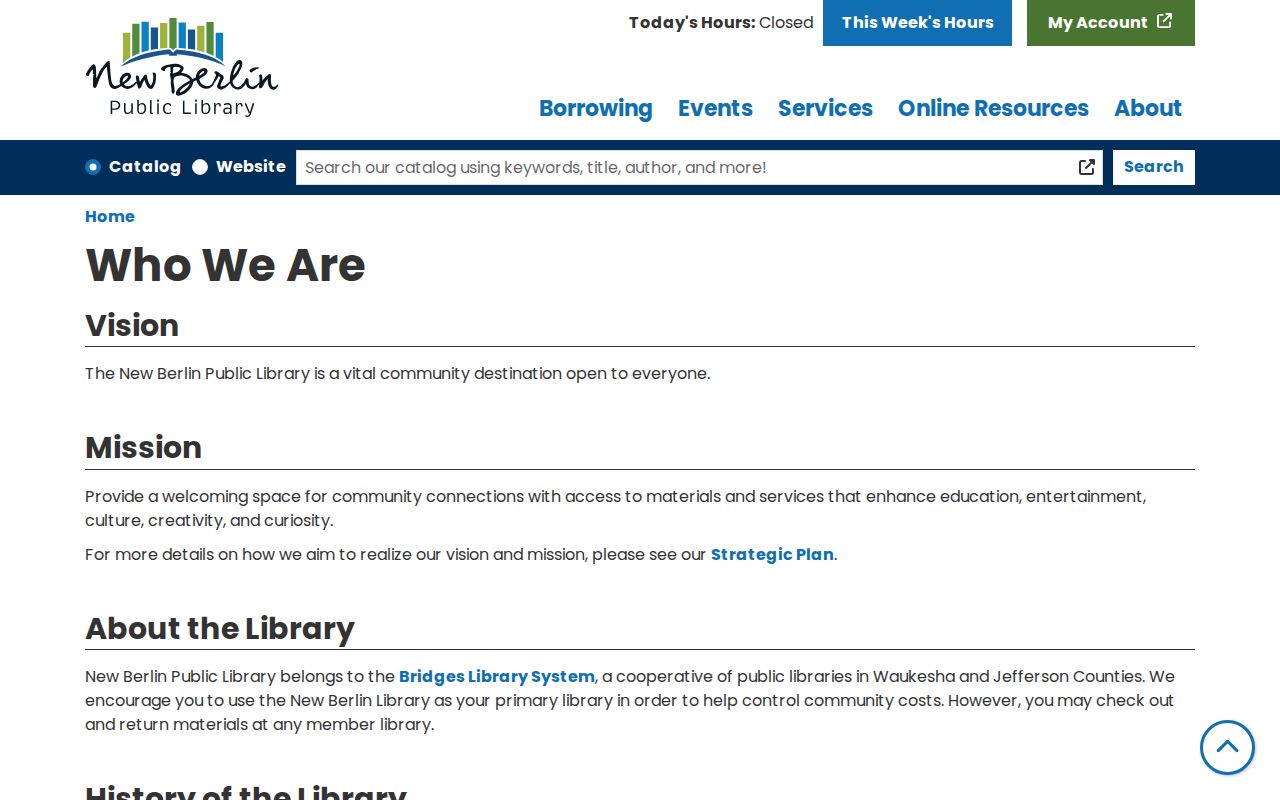
This custody history explains why a local item may appear in a city file, federated catalog, in-library database, or historical collection. Search all routes before concluding an issue did not survive.
Trace New Berlin Directory Families
A sound city directory search builds a chain, one dated source at a time. Begin with the 1873 atlas or a confirmed newspaper mention. Keep the exact spelling, address or place, title, and date. Then use census and land records to test whether the same household or parcel appears elsewhere. Modern address work belongs in the New Berlin street directory.
- Find the earliest confirmed New Berlin listing and save its full citation.
- Search nearby years and title variants, including both Post titles.
- Pair the listing with a census, obituary, cemetery, or vital-record route.
- Use a plat, tax key, deed, or City Archive item to test the place link.
- Record gaps, then ask the library, society, WHS, or county genealogy room.
If a name disappears, the cause may be a move, death, changed spelling, omitted household member, different postal label, or source gap. Probate files may help identify heirs. None should be forced to match by name alone.